
11 Epic Waves to Surf in the Canary Islands
Cover image: © Magicseaweed / E-Horizon
First discovered in the 1970s to be a wave riding haven, surfing in the Canary Islands has become one of the most popular local past times and tourist interests. Known as the European's Hawaii, one finds an island lifestyle, incredible scenic coastlines, and tons of amazing surf. Its peak surf season is October to February, and as soon as you get past the crowds and locals, you will find the waves of your life. Here are some must-visit places to surf in the Canary Islands.
Fuerteventura
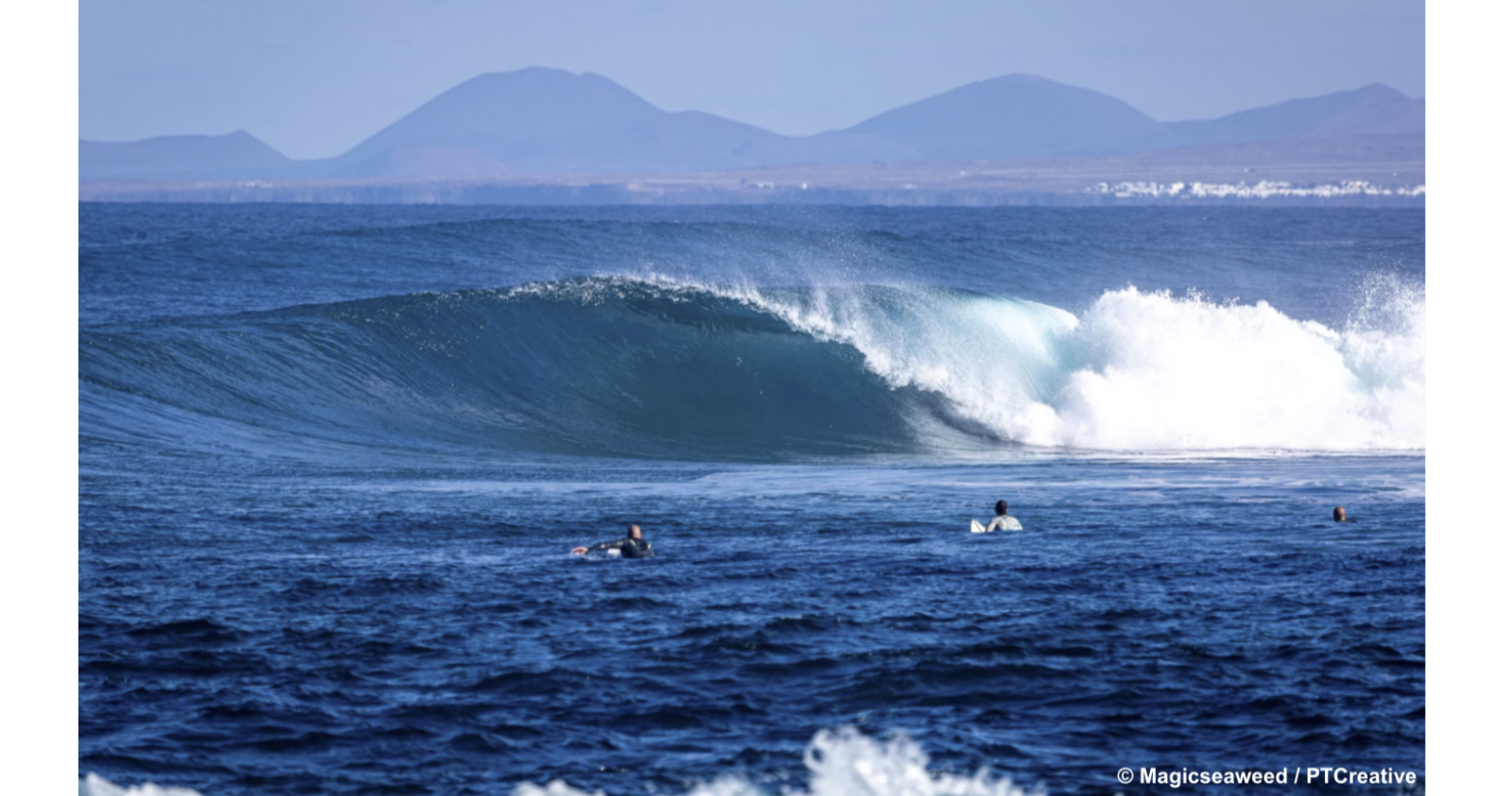
Hierro: The Bubble – El Hierro
Hierro has two breaks. Hierro right, also known as the Bubble, and Hierro Left, known as El Hierro. The Bubble is best known for its A-Frames with hollow rights and less heavy lefts. When the swell gets big, this wave has some serious power. El Hierro is best on small to medium swells that make for a fun, wally left. The take-off zone here is small and susceptible to crowds. Both breaks are best for intermediate to advanced levels. This spot is best with a North, Northwest, or West swell, Southeast wind, and all tides.
Los Lobos
A mile off the Northeastern end of Fuerteventura is a small island with a world-class wave. It is only accessible by boat or ferry and is best left for intermediate to advanced surfers because of the tricky take-off and urchin-covered bottom. When Los Lobos is on, it puts up long, picturesque point break rides. It works best on a North to Northwest swell, East-southeast wind, and all tides.
Majanicho
Majanicho is a small, sheltered, natural harbor with beginner-friendly waves. On the eastern edge of the channel, long cruisy right-handers connect to the middle on big enough swells. On small days, expect a crowd of beginners, SUPers, and longboarders. It works best on a West to Northwest swell, Southeast wind, and all tides.
Tenerife
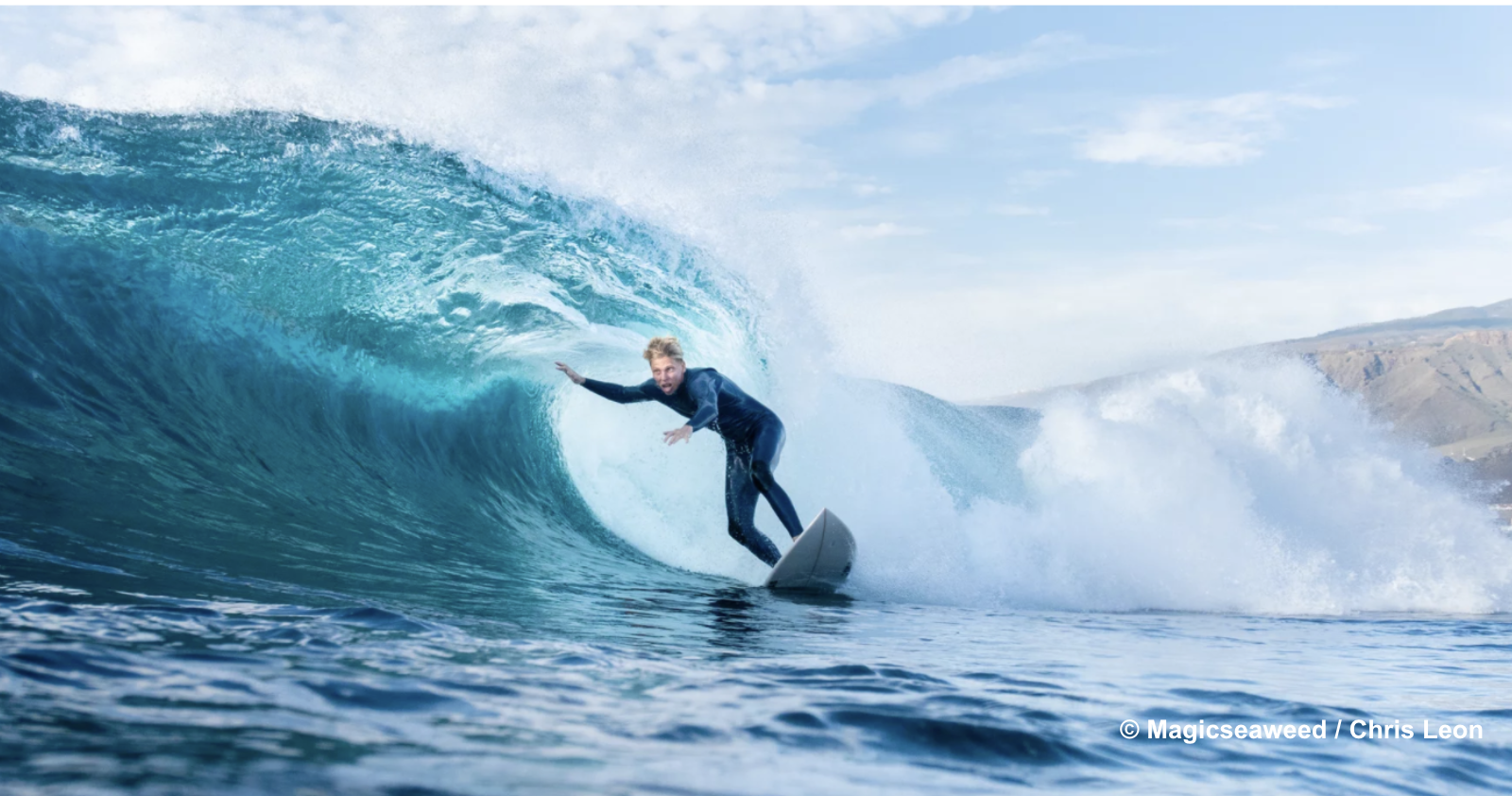
Derecha Del Cartel
Consistent and super fun, Derecha del Cartel is a solid right-hand reef break. It tends to get crowded, but the long, peeling rights are worth it. With the potential to hold double overhead, this spot is a regular contest venue and is best reserved for intermediate and advanced surfers. It does best on Northwest or Southwest swell, Southeast to East wind, and all tides.
El Socorro (Los Realejos)
This exposed beach break has reliable surf all year round, and the waves are framed by a dark sand beach and picturesque mountains. There is consistent surf for intermediate to advanced levels, and on small days beginners can join in too. Watch out for crowds and the locals. It is best on a North swell, Southwest wind, and all tides.
La Izquierda
One of the best left-hand waves on the island, La Izquierda is an exposed reef break located in Las Americas. With its gorgeous scenery, the beach is a tourist hotspot. Be prepared for crowds and territorial locals. The break is best on a Northwest swell, East wind, and all tides.
Gran Canaria
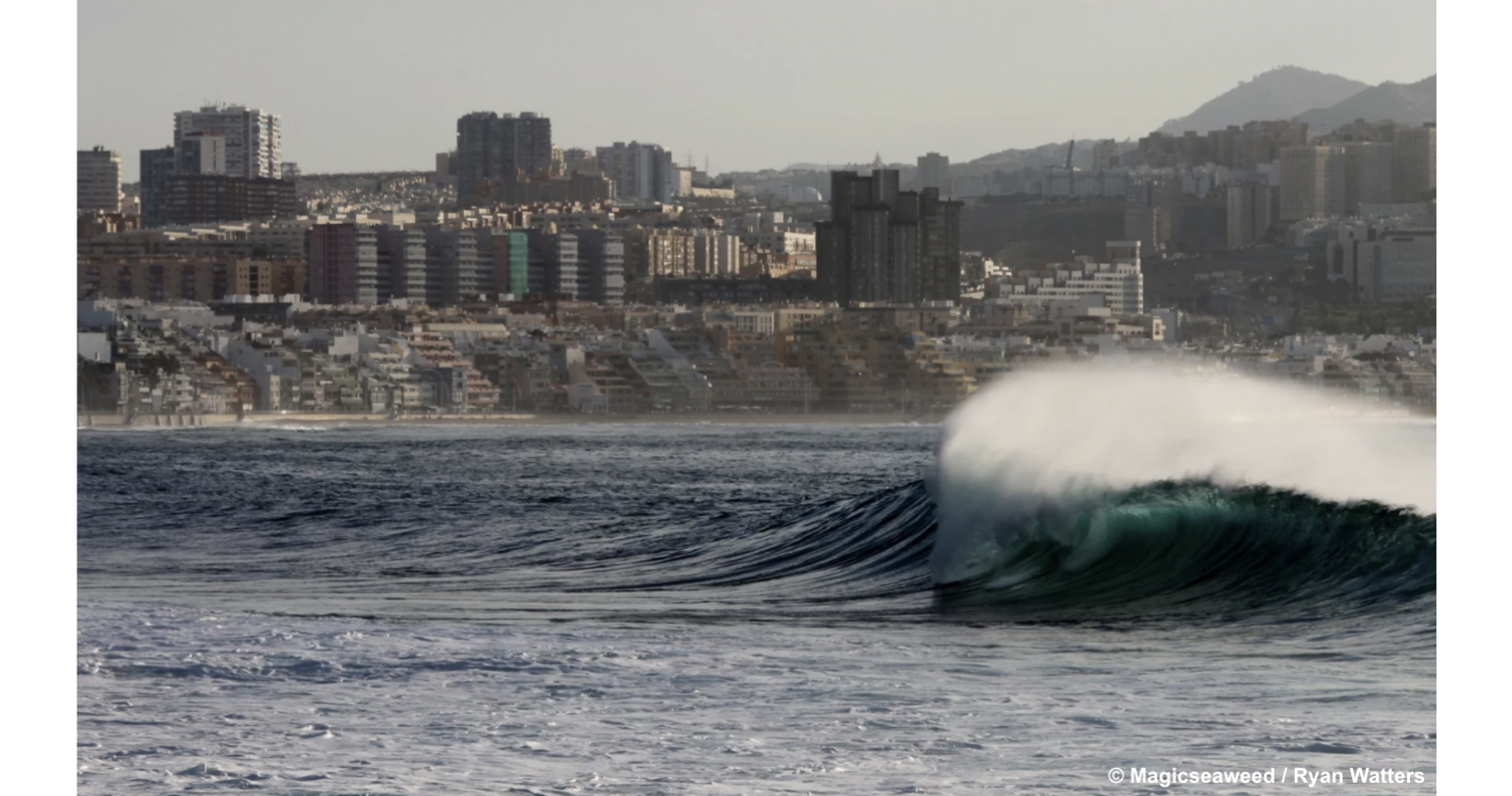
El Confital
One of the most popular beaches in Las Palmas, El Confital is an exposed reef break with a consistent swell all winter long. Summertime, when the weather is nice, is flat with occasional small, fun swells. When it is on, El Confital is one of the best right-handers in the island chain, but be wary of a crowd and locals. This spot is best on a West swell, East Wind, and all tides.
El Lloret
Not too far from El Confital, El Lloret is a quality point break, with fast walls and an almost 200 m long ride when the stars align. When it’s good, expect a crowd and territorial locals. It is best on a North-northwest swell, South wind, and all tides.
Lanzarote
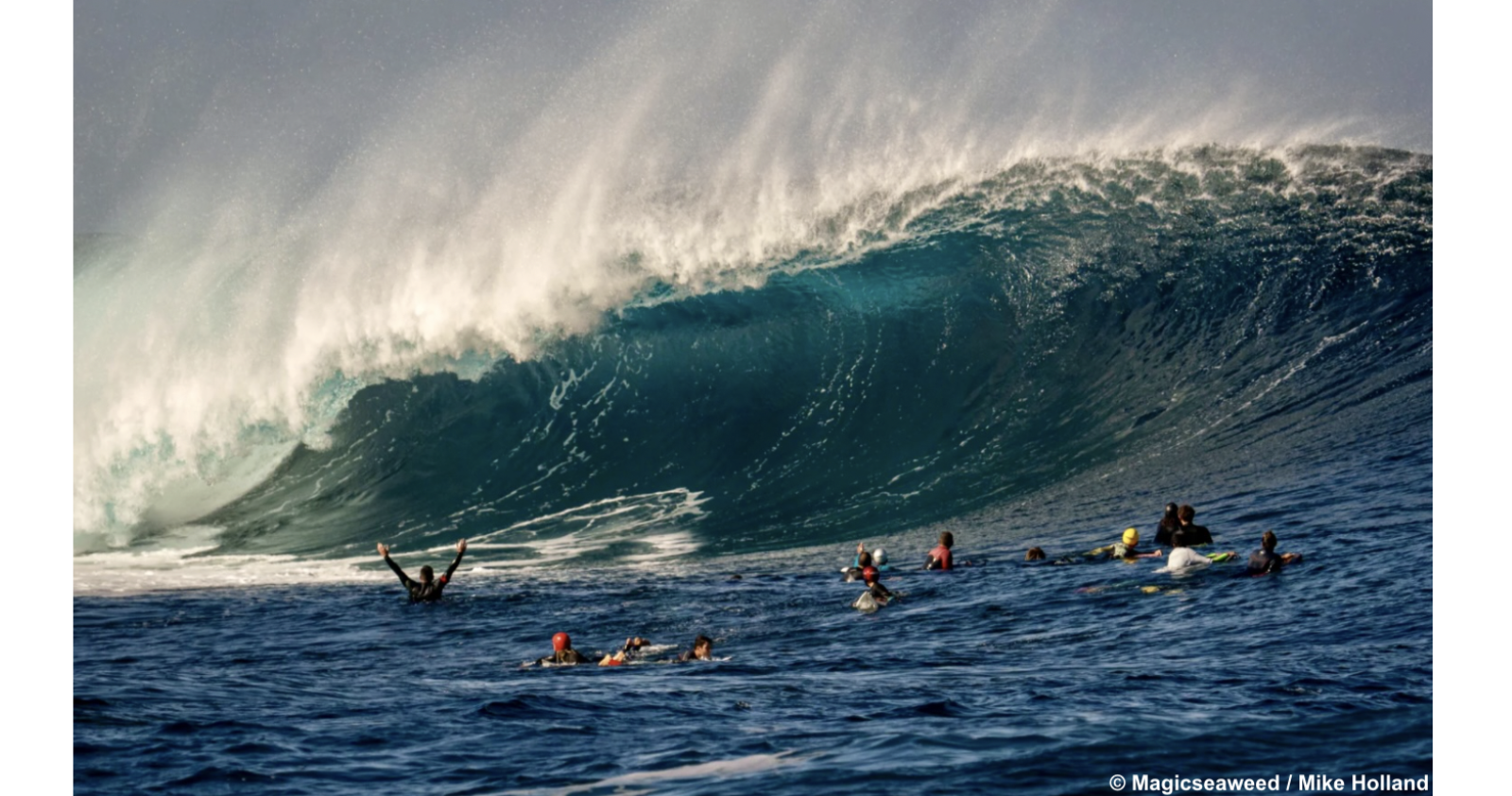
La Santa: El Quemao - The Slab
Known as the Pipeline of the Canary Islands, La Santa - El Quemao is a fast, hollow tube that breaks onto sharp lava rocks. It’s an expert-level spot that, on a western swell, produces a right almost identical to Backdoor. Just a stone's throw away Morro Negro is another expert-level, thick, powerful, left and right tube-producing slab. El Quemao takes best to North to Northwest swell, East to Southeast wind, and mid to high tide while The slab is best on a West-northwest swell, East wind, and high tide.
Famara
A big beautiful black sand beach, Famara has 6 km of waves for all levels. Closer to the village, smaller waves are popular among the surf schools and best for beginners. When the waves get big, they are heavy and best for intermediate surfers. It is best on a North-northwest swell, Southeast wind, and all tides.
Jameos de Agua
A rare find on the eastern side of the island, Jameos de Agua is an exposed reef break with fairly consistent surf all year round. When it’s going, expect fun rides, crowds, and locals. It’s sheltered from the wind, and its lefts are some of the longest on the island. It works best on a North swell, West wind, and all tides.
Planning to surf in the Canary Islands? Check out anytime, anywhere surf coaching with our Jamie O’Brien Surf App here.
People Also Read
Did we miss one of your favorite surf spots in the Canary Islands? Send us a message at hello@jamieobrien.com